7 Common Signs Your Crawl Space Needs Repairs
Damaged crawl spaces cause musty odors, sagging floors, and high bills. Excess moisture rots wood and grows mold, weakening the frame. Standing water or humidity usually signals drainage failures or vents that need sealing.
If a home has bouncy floors or visible cracks in the base, it likely needs structural stabilization. Timely foundation repair in Frisco, TX, prevents total foundation failure and keeps the indoor air safe for everyone.
The Hidden World Under Your Floor
Many houses in Texas sit on a pier and beam base. This creates a small gap between the ground and the floor. This “crawl space” stays out of sight. Most people forget it exists. But this dark area controls the health of the whole house.
When water gets trapped under there, the wood starts to rot. The dirt turns into soft mud. This causes the heavy beams to sink.
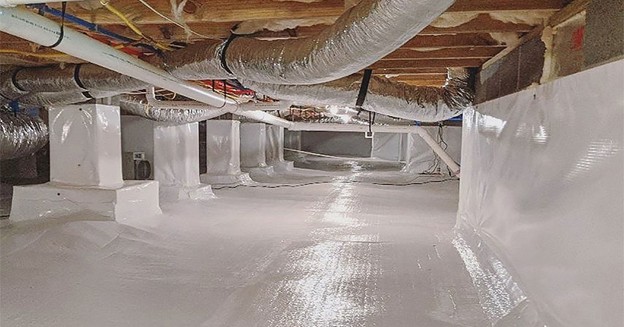
Many homeowners now choose crawl space encapsulation to seal out the damp air and protect their wood. This process turns a dirty hole into a dry, clean storage area.
7 Signs Your Crawl Space is Failing
It is easy to spot trouble if you know where to look. You don’t even have to go under the house to find these clues.
Musty Odors Inside
Does the living room smell like a damp basement? Air moves upward from the crawl space into the house. This is the “stack effect.” If there is mold under the floor, you will smell it in your bedroom.
Uneven or Bouncy Floors
Walk across your kitchen. Do the plates rattle? If the floor feels like a trampoline, the wooden supports are likely rotting. Moisture weakens the wood until it can’t hold the weight of the furniture.
High Humidity Levels
If the air inside feels sticky, your crawl space might be the cause. Wet dirt under the house releases gallons of water vapor every day. This makes your AC work twice as hard.
Standing Water
After a big rain, check the perimeter. If water pools near the vents, it is seeping under the house. This soft soil leads to a need for foundation repair in Frisco, TX, because the heavy piers will start to tilt in the mud.
Pest Infestations
Bugs and rodents love dark, wet spots. Termites specifically look for damp wood to eat. If you see silverfish, roaches, or mice, they are probably nesting right under your feet.
Growing Energy Bills
Wet air is harder to heat and cool than dry air. If your electric bill spikes for no reason, check the insulation under the floor. If it is hanging down or wet, it is useless.
Drywall Cracks
When the crawl space supports sink, the walls above them pull apart. You might see cracks near the corners of doors or windows. These aren’t just “settling” lines; they are cries for help from the foundation.
Why Texas Soil is Tough on Foundations
The table below showcases how Texas soil can be tough on home foundations:
| Weather Condition | Soil Behavior | Effect on Your Home |
| Heavy Rain | The clay acts like a sponge and swells up. | Pushes against the foundation, causing “heave” or lifting. |
| Hot, Dry Summer | The clay shrinks and cracks. | Soil pulls away from piers, leaving them shaky and unsupported. |
| Post-Drought Rain | Water rushes into the new gaps in the dirt. | The softened soil allows the foundation to sink or tilt. |
Solutions for a Healthier Home
If a pro finds damage, they have several ways to fix it. Modern tech makes these repairs fast and very strong.
Vapor Barriers: A thick plastic sheet covers the dirt to stop steam from rising.
Dehumidifiers: These machines pull water out of the air to keep the wood dry and hard.
Support Jacks: Steel posts replace old, rotten wood to level the floors perfectly.
Sump Pumps: These kick in during floods to pump water away from the house automatically.
Vent Sealing: Closing old vents stops humid Texas air from getting inside the structure.
These steps keep the wood from rotting. They also stop the “stack effect” from bringing allergens into your home.
If the damage is already serious, you might need foundation repair in Frisco, TX, to reset the heavy concrete beams that hold up the exterior walls.
The Benefits of a Dry Crawl Space
This table shows the benefits of a dry crawl space.
| Feature | Impact on Your Home | Long-Term Value |
| Real Estate Appeal | Clean inspections prevent deals from falling through due to mold or rot. | High; buyers avoid “wet” houses. |
| Comfort | Keeps floors warmer in the winter and eliminates musty “old book” smells. | Immediate improvement in daily living. |
| Structural Integrity | Stops termites and wood rot from eating the “bones” of your house. | Protects your biggest investment for a lifetime. |
| Cost Savings | Prevents small rot spots from turning into collapsed floors. | Saves tens of thousands in major repair bills. |
| Air Quality | Reduces moisture-driven allergens and stagnant air under the floor. | A healthier indoor environment for your family. |
Professional Inspections
Don’t guess what is happening under your house. A pro uses moisture meters and laser levels to find the truth. They can tell if a crack is just a surface scratch or a major break.
They also check the drainage outside. Sometimes, simply adding a longer gutter pipe can fix a wet crawl space. But if the piers have already shifted, you must act fast.
Searching for foundation repair in Frisco, TX, will help you find teams who know how to work with the local clay. They use steel or concrete to make sure the house never moves again.
Frequently Asked Questions
Q.1) Is a musty smell always a sign of mold?
Usually, yes. That “old book” smell comes from microbial volatile organic compounds. This is a fancy way of saying mold and fungus are eating organic matter, like your floor joists. You should treat any musty smell as a warning.
Q.2) Will fixing my crawl space lower my energy bills?
Yes! Most homeowners see a 10% to 15% drop in their heating and cooling costs. Sealing the vents stops the “drafty floor” feeling. Your HVAC system won’t have to fight the heavy, humid air coming from the ground.
Q.3) How long does encapsulation of a craw space last?
Most high-quality liners last for 20 years or more. If you add a dehumidifier, the crawl space encapsulation can keep the space dry for the life of the home. You just need to change the filters once a year to keep things running smoothly.
Q.4) Can I just put a fan in my crawl space?
A fan often makes the problem worse. It pulls in more humid air from the outside. In Texas, the air outside is usually wetter than the air under the house. Sealing the space and using a dehumidifier is the only real fix.
Q.5) Do I need to move out during foundation repairs?
No, you can stay in your home. Most work happens outside or under the floor. You might hear some loud thuds or vibrations while they drive piers, but the crew will finish the job without bothering your daily routine.
Don’t Let Your Foundation Slide
A healthy home needs a solid, dry base. Ignoring the crawl space leads to sagging floors, bad smells, and structural failure.
Acting now saves money and protects your family’s health. For a deep look at your home’s health, contact Top Level Foundation Repair for a free inspection.