7 Crawl Space Maintenance Tips for New Homeowners
Buying a home is great until you have to maintain it. Most folks forget the crawl space, but this dark area holds the “bones” of the house. If things go wrong down there, the whole building suffers. This is why many people opt for crawl space encapsulation.
Keeping this spot dry and clean is a key part of being a smart owner. Regular checks stop small leaks from turning into a disaster.
Here are seven ways to keep the air fresh and floors level in 2026.
Inspect the Vents
Old-school homes have vents to let air move. However, these often let in humid air that causes mold. Make sure no trash or leaves block the openings.
If the vents stay open during a humid summer, the wood beams can soak up water like a sponge. Keep an eye on them to ensure they are clear of debris or nests.
Check for Standing Water
After a big Texas storm, grab a flashlight and peek inside. If you see puddles, you have a problem. Water should never sit under the house. It rots the wood and attracts bugs.
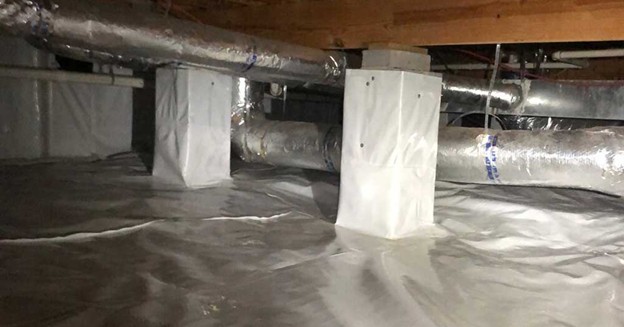
If the yard drains toward the house, it might be time for crawl space encapsulation. This process seals out the moisture so the ground stays bone dry year-round.
Look for Critters
Raccoons, rats, and snakes love a quiet crawl space. Check for torn insulation or droppings. These animals can chew through wires and cause fires.
They also mess up the plastic barriers on the ground. Sealing even the smallest gaps keeps these “roommates” from moving in and making a mess of the plumbing.
Watch the Insulation
Insulation should stick tight to the floorboards. If it hangs down like a wet blanket, moisture has likely made it heavy. Wet insulation loses its power to keep the house warm.
It also hides rot on the wood beams. If you see sagging fiberglass, you need to find out where the water is coming from before replacing it.
Monitor Humidity Levels
You can buy a cheap tool called a hygrometer to track moisture. If the air under the house is always sticky, mold will grow. Ideally, the humidity should stay below 50%. High humidity can lead to “cupping” in your hardwood floors upstairs.
This is a common issue for people seeking foundation repair in McKinney. Keeping the air dry keeps the floors flat.
Examine the Support Piers
Most crawl spaces use concrete or wood blocks to hold up the beams. Check if any look tilted or cracked. If a pier sinks into the dirt, the floor above will sag.
You might notice a dip in the hallway or a door that won’t stay open. Catching a sinking pier early makes the fix much cheaper and faster.
Seal Air Leaks
Cold air can sneak into your house through the floor. Use foam or caulk to seal holes where pipes and wires go up into the living area.
This keeps your feet warm and lowers your light bill. It also stops the “stack effect,” which is when the house sucks up gross air from the dirt below.
8 Signs Your Foundation Might Need Timely Repair
Sometimes maintenance isn’t enough. The ground in Texas moves a lot, and your house might start to shift. Here are eight red flags that scream for a pro to take a look.
Exterior Brick Cracks: Look for “stair-step” cracks in the mortar. If the crack is wide enough to fit a coin, the house is moving.
Stuck Doors and Windows: If you have to shove a door to close it, the frame is likely out of square. This happens when one corner of the house sinks.
Gaps Around Trim: Watch for spaces between the ceiling and the walls. If the crown molding starts to pull away, the structure is pulling apart.
Sloping Floors: Grab a marble and put it on the kitchen floor. If it rolls to one side every time, the house is not level anymore.
Chimney Separation: A heavy chimney might pull away from the rest of the house. This is a dangerous sign that needs a fast fix before it tips.
Wallpaper Creasing: If your wallpaper starts to bunch up or wrinkle in the corners, the walls are shifting behind it.
Basement or Crawl Space Leaks: Water coming through the walls often means the soil is pushing too hard. This pressure can snap concrete over time. This is why many look for foundation repair in McKinney during the rainy season.
Nails Popping Out: If you see small circles of drywall mud popping out of the walls, the studs are moving. This “nail pop” is a classic sign of a shifting frame.
Frequently Asked Questions
Q.1) How often should I check my crawl space for problems?
You should go down there at least twice a year. Check once in the spring after the rains and once in the fall. If you notice a weird smell or a creaky floor, go check it immediately to be safe.
Q.2) Will crawl space encapsulation make my house smell better?
Yes! Most “old house smells” come from the dirt under the floor. Sealing the ground with a thick liner stops the earth’s smells from rising up. It also stops mold from growing, which is the main cause of musty odors.
Q.3) Why does the soil in North Texas cause so many issues?
The clay dirt here is like a sponge. It gets huge when wet and shrinks when dry. This constant “breathing” of the soil moves the house up and down. This movement is why foundation repair in McKinney is such a common topic for local homeowners.
Q.4) Can a small crack in the drywall be a big deal?
Sometimes. A thin hairline crack might just be the house settling. However, if the crack grows or appears over a door, it shows the foundation is failing. It is always better to get a free checkup than to ignore it.
Q.5) How long does a typical foundation fix take to complete?
Most residential jobs take between two and five days. It depends on how many piers the team needs to install. Modern tech makes the process pretty quick, and you usually don’t even have to leave your house while they work.
Q.6) Does the city require permits for these types of repairs?
Yes. Most cities want to make sure the work is safe. A good contractor handles the permits and the final inspection for you. This ensures the work meets the local building codes and keeps your home’s value high.
Stay Ahead of the Shifting Soil
Your home is your biggest investment, so don’t let the ground ruin it. Keeping the crawl space dry and the foundation stable is the secret to a long-lasting building. Small steps today prevent giant headaches five years from now.
For expert help and a free on-site estimate, Top Level Foundation Repair offers the professional care you need to keep your home level and safe for the long haul.