What is A Slab Leak? Causes, Signs, And Repair
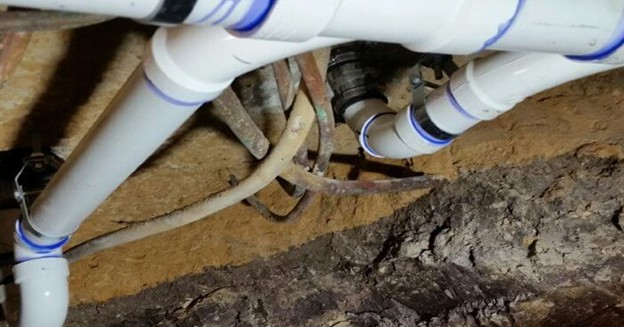
A slab leak happens when the water or sewer pipes underneath a home’s concrete base break or crack. Because these pipes sit beneath a thick layer of concrete, water pools under the house and creates pressure.
This hidden water can wash away soil or cause the concrete to heave upward. If you don’t fix a slab leak quickly, it often leads to major structural cracks and costly slab foundation repair projects.
Why Slab Leaks Are a Big Deal
In most modern homes, the plumbing runs right through or under the concrete floor. This design saves space, but it makes repairs tricky. When a pipe under the house starts leaking, you can’t see it. The water just keeps flowing into the ground.
Over time, that water turns the firm dirt into mud. The house starts to sink into the soft spots. In North Texas, the clay soil is already moody. Adding a constant stream of water under the house makes it even worse.
Many homeowners find that a simple plumbing leak turns into a massive job for foundation repair in Frisco, TX, if they wait too long.
6 Common Causes of Slab Leaks
Why do pipes break under a solid house? It usually comes down to the environment or the age of the materials.
Soil Movement
Texas dirt moves a lot. It expands when wet and shrinks when dry. This constant shifting puts “stress” on the pipes. Eventually, the pipe can’t take the pressure and snaps.
Pipe Corrosion
If a home has copper pipes, the soil chemistry can eat away at the metal. This creates “pinhole leaks” that spray water under your slab for months before you notice.
Poor Installation
Sometimes the original builders didn’t wrap the pipes right. If a pipe rubs against sharp rocks or the concrete itself, it will wear down and burst.
Aging Plumbing
Nothing lasts forever. Older homes often have cast-iron or clay pipes. These materials get brittle over the decades. They eventually crack under the weight of the house.
High Water Pressure
If the water coming from the city is too strong, it beats up your pipes from the inside. This constant hammering causes weak joints to fail.
Abrasion
As water flows through pipes, they vibrate slightly. If a pipe touches the concrete slab, that vibration acts like sandpaper. It slowly grinds a hole right through the pipe wall. Dealing with these issues early helps you avoid the need for heavy slab foundation repair later on.
5 Warning Signs of a Slab Leak
You don’t need to be a plumber to spot a leak. You just need to pay attention to your house.
Rising Water Bills: If your bill goes up but you aren’t using more water, you have a “ghost” leak.
Damp Flooring: Look for wet carpet or warped wood floors. If the water has nowhere else to go, it will push up through the concrete.
Foundation Cracks: New cracks in your walls or floor often mean the ground is shifting due to water.
Warm Spots: If a hot water line leaks, the floor will feel warm to your bare feet in specific spots.
Reduced Water Pressure: If the shower feels weak, the water might be escaping under the house instead of coming out of the nozzle.
The Risks of Waiting
Ignoring a leak is a bad move. It’s like leaving a sink running on your carpet. The damage doesn’t stop; it just gets deeper and more expensive.
You might think you’re saving money by skipping the plumber, but you’re actually inviting a huge bill for foundation repair in Frisco, TX, down the road.
| Potential Risk | Description | Impact Level |
| Structural Damage | The house frame shifts, causing doors to jam and windows to stick. | High |
| Mold Growth | Water under the floor breeds mold that can get into your air. | Medium/High |
| High Utility Costs | You pay for thousands of gallons of water you never use. | Medium |
| Soil Erosion | The water washes away the dirt that holds up your home. | High |
| Slab Cracking | The concrete floor literally splits apart under the pressure. | Extreme |
Repair Options and Expert Help
Fixing a slab leak isn’t a DIY job for a Saturday morning. It requires special tools like acoustic sensors to “hear” the leak through the floor. Once a pro finds the spot, they have a few ways to fix it.
Spot Repair: They jackhammer a small hole in the floor and fix the broken piece of pipe.
Repiping: They run new pipes through the walls or attic to bypass the ones under the slab.
Pipe Coating: They send a resin through the pipes to seal small cracks from the inside.
Why Local Experts Matter
Hiring a local expert for all the foundation-related issues is the best thing you can do.
| Feature | Why It Matters in Frisco | Benefit to Homeowner |
| Soil Knowledge | Local dirt is “expansive clay” that swells like a sponge and causes “heaving.” | Experts prevent the house from shifting during wet and dry cycles. |
| Full Inspections | Pros check the plumbing and the structure at the same time. | You find out if you need a pipe fix or a full foundation lift before things get worse. |
| Stabilization | Teams use specialized piers to anchor the home into stable ground. | This stops the house from sinking or tilting after the leak is fixed. |
| Drainage Check | Experts look for pooling rainwater near the concrete slab. | Improving drainage stops exterior water from making a slab leak even more damaging. |
| Warranties | Local pros often provide long-term, transferable warranties. | This gives you peace of mind and keeps the home’s value high for future buyers. |
| Big Picture Fixes | Professionals address the root cause, not just the “leak.” | You avoid “bandage” repairs that fail a few months down the road. |
Frequently Asked Questions
Q.1) How much does it cost to fix a slab leak?
The cost varies. Finding the leak with sensors usually costs a few hundred dollars. Fixing the pipe can range from $1,000 to $4,000. If the leak caused the house to sink, you might need extra structural work to level the floors again.
Q.2) Is a slab leak the same as a basement leak?
No. A slab leak happens under a flat concrete floor. A basement leak usually happens through the side walls. Both involve water, but the tools and methods used to fix them are very different because of the depth.
Q.3) Does homeowners’ insurance cover slab leaks?
Most policies cover the “tear out” cost to get to the leak and the damage to your floors. However, they often don’t pay for the actual pipe repair. You should read your policy or call your agent to be sure about your coverage.
Q.4) How long does a slab leak repair take?
A standard plumbing fix takes about one to three days. If you need structural work to fix a cracked slab, it might take a week. Most of the time, you can stay in your home while the crew works on the pipes.
Q.5) Can a slab leak cause a house to collapse?
It won’t fall down like a deck of cards, but it can cause major damage. Walls can crack, and chimneys can lean. Over several years, the house will become unsafe to live in if the foundation keeps moving.
Call Home Repair Contractors Today!
A slab leak is a quiet home-wrecker. It starts small but can break your foundation and your budget if you look the other way.
Spotting the signs early and calling the right team makes all the difference. For expert foundation repair in Frisco, TX, reach out to Top Level Foundation Repair for a free inspection.

About Top Level Foundation Repair
Top Level Foundation Repair has been serving the Dallas–Fort Worth Metroplex since 2000, specializing in foundation solutions tailored to Texas soil conditions. With over 20 years of experience and more than 20,000 homes repaired, their professional team provides free inspections, accurate diagnoses, and reliable repair services. Every project comes with a lifetime transferable warranty, ensuring lasting peace of mind for homeowners—even if the property is sold. Committed to quality, Top Level Foundation Repair combines expertise, dedication, and timely service to resolve any foundation issues efficiently.