
How Poor Drainage Damages Your Home’s Foundation
Poor drainage pools water at a home’s base, softening soil and causing foundations to settle or heave. In North Texas, expanding and shrinking clay puts heavy pressure on concrete slabs.
Without gutters or French drains, moisture creates wall cracks and uneven floors; early repairs prevent structural failure and keep homes safe. In case you are facing such foundation problems, you should call a rainwater drainage solutions in McKinney or Frisco.
How Standing Water Impacts Your Foundation
The table below shows how standing water impacts your home’s foundation.
| Factor | Impact on Foundation | Risk to Home |
| Water Accumulation | Softens the ground until it acts like a wet sponge. | The soil loses the strength needed to hold up the heavy roof and walls. |
| Active Clay Soil | The dirt expands when wet and shrinks when dry. | Constant movement creates pressure that eventually cracks the concrete base. |
| Uneven Moisture | One side of the yard stays dry while the other stays swampy. | The house begins to tilt or “heave,” leading to jammed doors and stuck windows. |
| Lack of Drainage | Water pools near the house instead of flowing to the street. | Homeowners often need backyard drainage solutions in Frisco to stop structural breaks. |
6 Warning Signs of Bad Drainage
You don’t need a degree to see if your yard has a water problem. Just look for these clues after the next big storm.
Puddles That Stay
If you see standing water in the grass 24 hours after a rain, your dirt isn’t draining. This water is likely soaking into the soil right next to your foundation.
Overflowing Gutters
Watch your roof during a storm. If water pours over the sides like a waterfall, your gutters are full of leaves or too small. This dumps hundreds of gallons of water right at the base of the house.
Soil Erosion
Do you see “rivers” or gullies in your mulch? If water is washing away your dirt, it is also digging away the support for your house.
Musty Smells in the House
If the air inside smells like an old basement, moisture is likely trapped under the floor. This happens a lot in homes with crawl spaces.
Water Stains on the Slab
Look at the concrete base of your house. If you see dark lines or white, chalky powder, water is soaking into the concrete.
Cracking in the Yard
When the ground dries out after being too wet, it cracks. These deep gaps allow the next rain to go even deeper into the ground, causing more shifting.
Using smart rainwater drainage solutions in McKinney or Frisco helps keep the moisture levels steady so these cracks don’t form.
How Water Breaks a Foundation
Think of the soil as a foundation’s chair. If the legs of the chair sit on soft mud, the chair sinks. This is called “settlement.” If the soil gets too wet and grows in size, it pushes the house up. This is “heaving.”
Both of these movements cause the house to bend. Concrete is strong, but it isn’t flexible. When it bends, it cracks. You might see these cracks in your brick outside or your drywall inside.
Doors might suddenly stop latching. This usually means the frame of the house is no longer square because the ground moved.
6 Practical Drainage Fixes
Luckily, you can fix most drainage problems without moving the whole house. Pros use several tools to move water away.
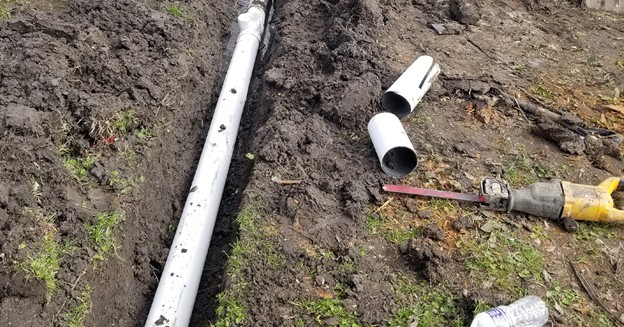
French Drains: These are underground pipes filled with gravel. They collect water and carry it away to the street or a lower part of the yard.
Surface Swales: These are shallow “valleys” in the grass. They act as a slide for rainwater to move it safely away from the house.
Catch Basins: These look like grates in the ground. They catch water in low spots and pipe it out.
Gutter Extensions: These are simple pipes that connect to your downspouts. They make sure water lands ten feet away from the house instead of right at the edge.
Sump Pumps: If you have a crawl space or basement, a pump can kick out water before it pools.
Grading: This means adding dirt to create a slope. The ground should always lean away from the house.
If your yard looks like a lake every spring, you might need professional backyard drainage solutions in Frisco or McKinney. A pro can map out where the water comes from and where it needs to go.
The North Texas Soil Challenge
The local environment creates unique hurdles for homeowners. The table below breaks down how the local climate interacts with the high clay content in the soil:
| Season | Soil Behavior | Impact on Foundation |
| Summer Heat | Shrinking: The clay loses moisture and pulls away from the base. | Creates deep gaps and cracks; removes support from the slab. |
| Fall/Spring Rains | Expanding: The soil acts like a sponge and grows rapidly. | Heaving: The ground pushes upward, forcing the concrete to bend. |
| Year-Round Goal | Stability: Keeping the moisture level “boring” and consistent. | Prevents structural failure and the need for major repairs. |
Why Early Repairs Matter
Fixing a yard is much cheaper than fixing a house. A drainage system might cost a few thousand dollars. A total foundation overhaul can cost ten times that much. If you see signs of water pooling, don’t wait for a crack to appear in your living room.
Water also brings other guests. Mold, termites, and mosquitoes love wet yards. By fixing the drainage, you also protect your family’s health and keep bugs away from your wooden walls.
Frequently Asked Questions
Q.1) Will a French drain ruin my landscaping and garden?
No. While workers have to dig a trench, they can usually put the grass back on top. Within a few weeks, you won’t even see where the pipe is. This method allows you to move water without destroying your beautiful outdoor space permanently.
Q.2) How far should water drain from my home foundation?
You want water to land at least five to ten feet away from your foundation. The further, the better. Keeping the discharge point distant prevents liquid from seeping back into the soil directly beneath your structural walls.
Q.3) Can I just add more dirt to fix the yard slope?
Sometimes, yes. Adding “compacted clay” can help create a slope. However, you must be careful not to cover up your siding or vents. Professional grading ensures that you don’t accidentally create new pooling issues while trying to solve old ones.
Q.4) Does homeowners’ insurance cover drainage issues and damage?
Usually, no. Most insurance plans see drainage as a maintenance task. They might pay for the damage inside after a sudden flood, but they rarely cover preventative measures or soil movement issues.
Q.5) How often should I clean my roof gutters and downspouts?
You should clean them at least twice a year. If you have big trees like oaks or pecans, you might need to do it more often. Regular maintenance prevents the overflow that leads to saturated soil and foundation cracks.
Timely Care Goes a Long Way
Protecting your home starts with controlling the water. When you manage the rain, you manage the soil, which keeps your foundation steady.
Keeping your yard dry is the best way to avoid a sinking house. For backyard drainage solutions in Frisco or McKinney, contact Top Level Foundation Repair for a free inspection.