

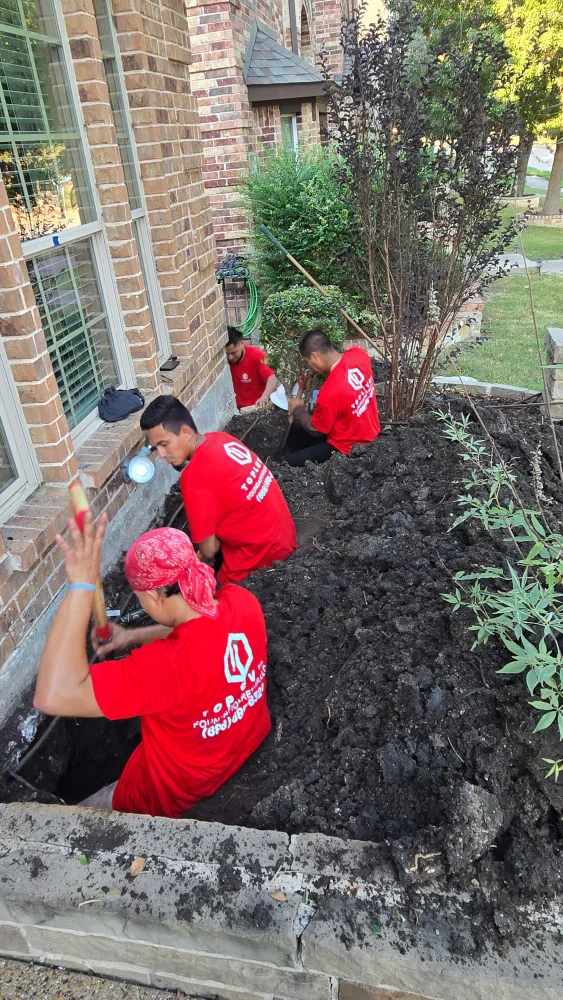
Foundation problems are one of the most common structural issues homeowners face in Texas. In cities like Frisco, shifting soil, extreme heat, and inconsistent moisture levels can cause homes to settle unevenly over time. Small cracks and sticking doors may seem minor at first, but they can quickly turn into costly structural repairs if left untreated.
Whether you are noticing cracks in your walls or uneven flooring, understanding the early signs of foundation damage can help protect your home and save thousands of dollars in future repairs.
If you are searching for trusted foundation repair in Frisco, TX, this guide explains the most common warning signs, repair options, costs, and how to choose the best foundation repair company for your property.
What Causes Foundation Problems in Frisco, TX?
Texas soil is one of the leading causes of foundation movement. The clay-rich soil found throughout North Texas expands when wet and shrinks during dry conditions. This constant expansion and contraction puts stress on your home’s foundation.
Several factors can contribute to foundation damage, including:
- Expansive clay soil
- Poor drainage around the home
- Plumbing leaks under the slab
- Tree roots absorbing moisture
- Heavy rainfall followed by drought conditions
- Improper grading
Homes in Frisco are particularly vulnerable because seasonal weather changes create continuous soil movement beneath foundations.
According to the American Society of Home Inspectors, foundation movement is one of the most expensive structural problems homeowners encounter.
Common Signs Your Home Needs Foundation Repair
Many homeowners do not recognize foundation issues until major damage becomes visible. Early detection is important because minor problems are usually less expensive to repair.
Cracks in Walls and Ceilings
One of the most common signs of foundation movement is cracking in drywall, ceilings, or brickwork. Horizontal or stair-step cracks often indicate structural shifting.
Uneven or Sloping Floors
If floors appear uneven or feel sloped while walking, your foundation may be settling unevenly beneath the home.
Doors and Windows Sticking
Foundation movement can cause door frames and windows to become misaligned, making them difficult to open or close properly.
Gaps Around Windows or Exterior Doors
Visible separation between walls, windows, or door frames may signal movement within the home’s structure.
Exterior Brick Cracks
Cracks in exterior brick or masonry often indicate stress caused by foundation settlement.
Cabinets Pulling Away From Walls
When foundations shift, interior structures may separate from walls or ceilings.
If you notice any of these signs, scheduling a professional inspection as soon as possible can prevent further damage.
Types of Foundation Repair Solutions
Different homes require different repair methods depending on the severity of damage and soil conditions.
Slab Foundation Repair
Slab foundations are common throughout Texas. Repair methods may include:
- Steel piers
- Concrete piers
- Pressed pilings
- Mudjacking
- Polyurethane foam injection
These systems stabilize the foundation and prevent additional movement.
Pier and Beam Foundation Repair
Older homes often use pier and beam foundations. Repairs may include:
- Beam replacement
- Floor leveling
- Crawlspace support
- Shim adjustments
Drainage Solutions
Poor drainage is one of the leading causes of foundation failure. Installing drainage systems can protect your foundation from future damage.
Common drainage improvements include:
- French drains
- Surface drains
- Gutter extensions
- Proper grading
Root Barrier Installation
Tree roots can absorb moisture from surrounding soil, creating uneven settlement beneath the home. Root barriers help reduce soil movement.
How Much Does Foundation Repair Cost in Frisco?
Foundation repair costs vary depending on the size of the home, severity of damage, and repair method required.
Average foundation repair costs in Texas typically range from $1,000 to $15,000 or more.
Minor repairs may cost only a few thousand dollars, while extensive structural stabilization can require larger investments.
Factors that affect foundation repair pricing include:
- Home size
- Soil conditions
- Depth of piers
- Type of foundation
- Structural damage severity
- Accessibility
National foundation repair costs continue to rise due to material and labor increases.
Why Professional Foundation Repair Matters
Foundation problems should never be ignored or repaired with temporary DIY fixes. Professional contractors use engineered repair systems designed to stabilize your home long-term.
Hiring an experienced foundation repair company provides several benefits:
- Accurate structural inspections
- Long-term repair solutions
- Warranty protection
- Improved home value
- Prevention of future structural damage
Professional repairs also protect buyers if you decide to sell your home in the future.
How to Choose the Best Foundation Repair Company Near You
Choosing the right contractor is one of the most important decisions homeowners make.
When searching for foundation repair near me, look for companies that offer:
- Free foundation inspections
- Licensed and insured crews
- Transferable warranties
- Positive customer reviews
- Local Texas experience
- Transparent pricing
Avoid contractors that pressure homeowners into unnecessary repairs without detailed inspection reports.
Preventing Future Foundation Problems
Although some soil movement is unavoidable in Texas, homeowners can reduce the risk of serious foundation damage with proper maintenance.
Maintain Consistent Soil Moisture
Dry soil shrinks away from the foundation, increasing movement. Watering during drought periods can help maintain stable soil conditions.
Install Proper Drainage
Directing water away from the home prevents soil oversaturation.
Repair Plumbing Leaks Quickly
Underground plumbing leaks can weaken soil beneath the slab foundation.
Keep Trees Away From the Foundation
Large trees can remove moisture from surrounding soil, causing uneven settlement.
Schedule Regular Inspections
Annual inspections help identify small problems before they become major structural issues.
Why Foundation Repair Is Important for Texas Homeowners
Foundation damage affects more than just appearance. Structural movement can lower property value, increase utility bills, damage plumbing systems, and create safety risks for homeowners.
Prompt foundation repair protects your investment while maintaining the long-term stability of your home.
If you notice cracks, sticking doors, or sloping floors, contacting a trusted foundation repair company in Frisco, TX can help prevent more expensive repairs later.
Frequently Asked Questions
How do I know if my foundation needs repair?
Common signs include wall cracks, uneven floors, sticking doors, exterior brick cracks, and gaps around windows or doors.
How much does foundation repair cost in Texas?
Most foundation repairs range between $1,000 and $15,000 depending on the severity of damage and repair method needed.
Can foundation problems get worse over time?
Yes. Foundation movement often continues if not properly repaired, leading to more expensive structural damage.
Is foundation repair covered by homeowners insurance?
Most insurance policies only cover foundation damage caused by covered events such as plumbing leaks or natural disasters.
How long does foundation repair take?
Most residential foundation repair projects take between two and seven days depending on the size of the project.
What causes foundation damage in Frisco, TX?
Expansive clay soil, drought conditions, poor drainage, plumbing leaks, and tree roots are the most common causes.
Will foundation repair increase home value?
Professional foundation repair can improve property value and make homes more attractive to buyers.
What is the best foundation repair method?
The best repair method depends on soil conditions, foundation type, and severity of damage. Steel piers are one of the most durable long-term solutions.
How often should foundations be inspected?
Homeowners should schedule a professional inspection every one to two years, especially in areas with expansive soil.
Can small cracks mean serious foundation problems?
Yes. Even small cracks may indicate early foundation movement and should be inspected by a professional.