

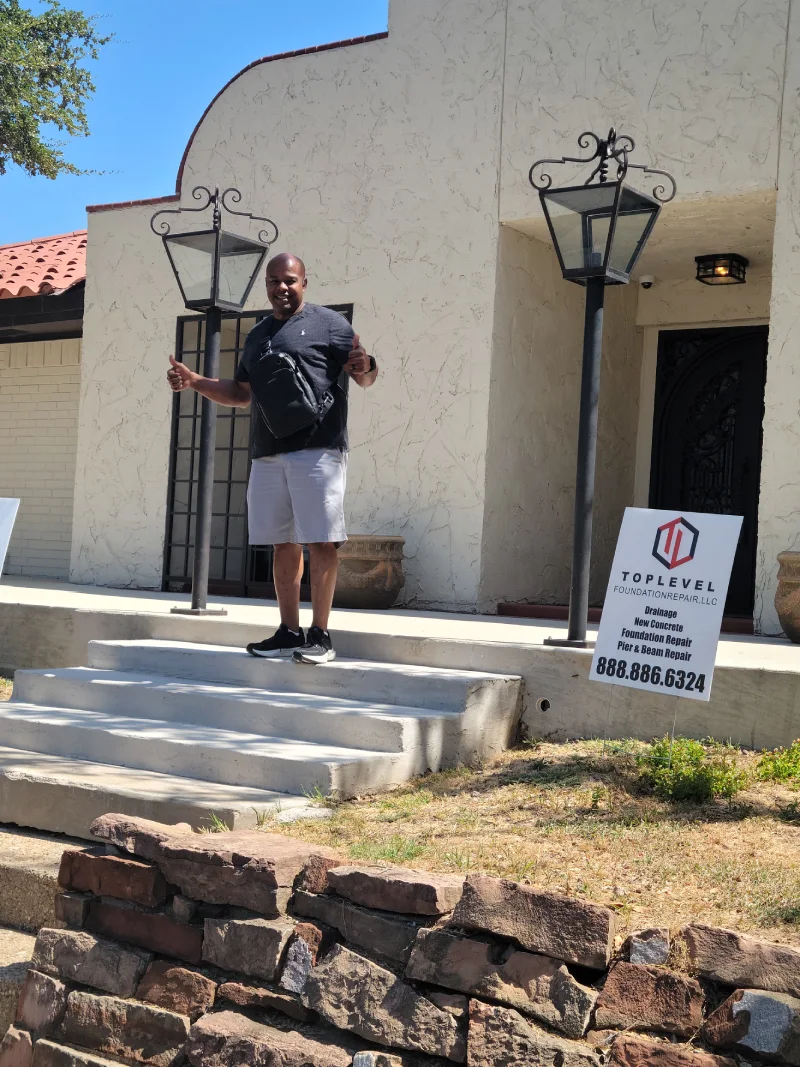
Foundation problems are a serious concern for many homeowners in Frisco, TX. The combination of expansive clay soil, hot summers, heavy rain, and drought conditions can create significant stress beneath your home’s foundation. Over time, this soil movement can lead to cracks, uneven floors, sticking doors, and costly structural damage.
Many homeowners ignore small warning signs until the damage becomes severe. However, early foundation repair can prevent more expensive repairs and help maintain the safety and value of your property.
In this guide, we explain the common causes of foundation problems in Frisco, average repair costs, warning signs to watch for, and the best foundation repair solutions available for Texas homeowners.
Why Foundation Problems Are Common in Frisco, TX
Frisco homes are especially vulnerable to foundation movement because of North Texas soil conditions. The region contains expansive clay soil that reacts dramatically to moisture changes.
When the soil becomes wet, it expands. During dry periods, it shrinks and pulls away from the foundation. This continuous cycle creates pressure beneath homes and causes foundations to shift unevenly.
Several environmental factors contribute to foundation issues in Frisco:
- Expansive clay soil
- Drought conditions
- Poor drainage systems
- Plumbing leaks under slabs
- Heavy rainfall
- Tree roots removing moisture from soil
- Improper grading around homes
Because these conditions are common throughout Texas, routine inspections are important for homeowners.
Common Signs of Foundation Damage
Recognizing the early warning signs of foundation problems can help homeowners avoid serious structural damage.
Cracks in Walls and Ceilings
Small hairline cracks may seem harmless, but widening cracks often indicate foundation movement beneath the home.
Uneven Floors
Sloping or sagging floors are one of the clearest indicators of foundation settlement.
Doors and Windows Sticking
When a foundation shifts, doors and windows may no longer align properly, making them difficult to open or close.
Exterior Brick Cracks
Stair-step cracks in brickwork are a common sign of structural movement.
Gaps Around Windows and Doors
Visible separation between walls, doors, or windows may signal shifting foundations.
Cabinets Separating From Walls
Interior structures pulling away from walls can also indicate foundation instability.
If you notice any of these warning signs, scheduling a professional inspection quickly can prevent further damage.
What Causes Foundation Damage?
Foundation damage develops gradually over time, but several issues can accelerate structural movement.
Expansive Soil Movement
Texas clay soil expands when saturated with water and contracts during droughts. This constant movement places stress on foundations.
Poor Drainage
Water pooling near the home weakens the soil beneath the foundation and creates uneven settlement.
Plumbing Leaks
Leaks beneath slab foundations can soften the surrounding soil and create voids beneath the structure.
Tree Roots
Large trees absorb significant moisture from surrounding soil, increasing shrinkage during dry seasons.
Improper Construction
Poor soil preparation or inadequate foundation design can increase the risk of future structural problems.
Foundation Repair Solutions
The best repair method depends on the type of foundation, soil conditions, and severity of damage.
Slab Foundation Repair
Most homes in Frisco use slab foundations. Common repair methods include:
- Steel piers
- Concrete piers
- Pressed pilings
- Polyurethane foam leveling
- Mudjacking
These systems stabilize the home and help prevent future movement.
Pier and Beam Repair
Older homes with pier and beam foundations may require:
- Beam replacement
- Floor leveling
- Crawlspace repairs
- Additional support installation
Drainage Correction
Improving drainage around the home is essential for preventing recurring foundation issues.
Common drainage solutions include:
- French drains
- Surface drains
- Gutter extensions
- Proper yard grading
Internal Link Suggestion: /drainage-solutions
How Much Does Foundation Repair Cost in Frisco?
Foundation repair costs vary depending on the severity of the damage and repair method required.
Most homeowners in Texas spend between $3,000 and $15,000 on foundation repair projects.
Factors affecting repair costs include:
- Home size
- Type of foundation
- Soil conditions
- Number of piers needed
- Structural damage severity
- Accessibility beneath the home
Minor crack repairs may cost only a few thousand dollars, while major stabilization projects can require larger investments.
According to HomeAdvisor, foundation repair pricing has increased nationwide due to rising labor and material costs.
Why Professional Foundation Repair Matters
Foundation problems should never be ignored or repaired with temporary DIY fixes. Professional foundation repair companies use engineered solutions designed for long-term structural stability.
Benefits of professional foundation repair include:
- Long-term structural protection
- Improved property value
- Warranty coverage
- Prevention of future damage
- Safer living conditions
Hiring an experienced local contractor also ensures the repair method matches Frisco’s unique soil conditions.
How to Choose the Best Foundation Repair Company
Finding a trusted foundation repair company near you is essential for protecting your investment.
Look for contractors that provide:
- Free inspections
- Licensed and insured crews
- Transferable warranties
- Transparent pricing
- Strong customer reviews
- Local experience in Texas soil conditions
Avoid companies that pressure homeowners into unnecessary repairs without proper evaluations.
Preventing Future Foundation Problems
Homeowners can reduce the risk of foundation damage with regular maintenance and preventative care.
Maintain Consistent Soil Moisture
Keeping soil moisture levels stable helps reduce expansion and shrinkage.
Improve Drainage
Water should always flow away from the home’s foundation.
Repair Plumbing Leaks Quickly
Even small leaks beneath the slab can weaken soil and increase movement.
Keep Trees Away From Foundations
Large trees should be planted a safe distance from the home.
Schedule Routine Foundation Inspections
Regular inspections help identify minor issues before they become major structural problems.
Why Foundation Repair Is Important for Home Value
Foundation problems can reduce property value and make homes harder to sell. Buyers often hesitate to purchase homes with visible structural damage.
Professional foundation repair can:
- Improve resale value
- Increase buyer confidence
- Prevent additional structural issues
- Protect long-term investment value
Addressing problems early is often the most cost-effective solution for homeowners.am
Frequently Asked Questions
How do I know if my foundation needs repair?
Common warning signs include cracks in walls, uneven floors, sticking doors, and exterior brick separation.
What causes foundation problems in Frisco?
Expansive clay soil, drought conditions, poor drainage, plumbing leaks, and tree roots are the most common causes.
How much does foundation repair cost in Texas?
Most repairs range between $1,000 and $15,000 depending on damage severity and repair methods.
Can foundation problems get worse over time?
Yes. Foundation movement usually continues if left untreated, leading to more expensive repairs.
Is foundation repair covered by insurance?
Insurance may cover foundation damage caused by covered events such as plumbing leaks, but normal soil movement is usually excluded.
How long does foundation repair take?
Most residential projects take between two and seven days.
What is the best foundation repair method?
Steel piers are considered one of the strongest long-term foundation stabilization methods.
Can small cracks mean serious problems?
Yes. Even small cracks can indicate early structural movement and should be professionally inspected.
How often should foundations be inspected?
Experts recommend professional inspections every one to two years in areas with expansive soil.
Does foundation repair increase home value?
Yes. Professional repairs can improve property value and make homes more attractive to buyers.