

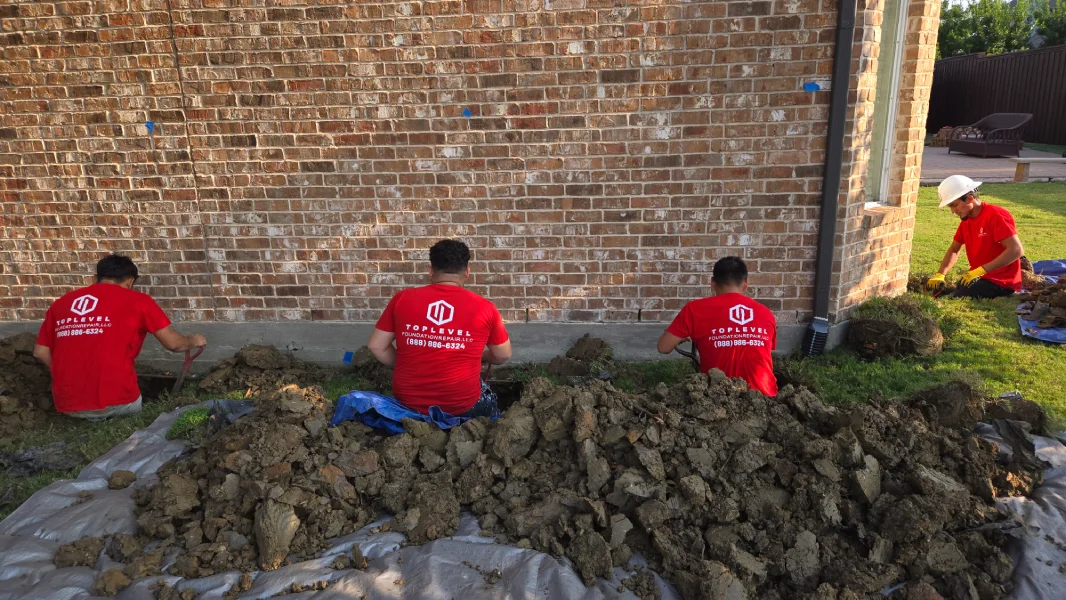
Foundation problems are common for many Texas homeowners. From shifting soil to extreme weather changes, homes across Texas can experience foundation movement over time. While some small cracks may seem harmless, foundation issues can become serious if they are ignored.
Your foundation supports the entire structure of your home. When it shifts, settles, or cracks, the damage can spread to walls, floors, doors, windows, plumbing, and exterior brickwork. Understanding how foundation problems happen in Texas can help homeowners take action early and protect their property.
This guide explains what every Texas homeowner should know about foundation repair, including common causes, warning signs, repair methods, prevention tips, and when to call a professional foundation repair company.
Why Foundation Problems Are Common in Texas
Texas homes are often exposed to soil and weather conditions that can affect foundation stability. Many areas have expansive clay soil, which expands when it absorbs moisture and shrinks when it dries out. This constant swelling and shrinking can place pressure on the foundation and cause movement.
During long dry periods, soil around the home can shrink and pull away from the foundation. When heavy rain returns, the soil may expand quickly. This cycle can cause uneven support beneath the home, leading to cracks, settlement, or shifting.
Poor drainage can make the problem worse. If water collects near the foundation after rain, the soil can become oversaturated. Over time, this can weaken the support under the home and increase the risk of foundation damage.
Common Causes of Foundation Damage in Texas
Several factors can contribute to foundation problems in Texas homes.
Expansive Clay Soil
Clay soil is one of the most common reasons foundations move. When clay soil gets wet, it expands. When it dries, it contracts. This movement can cause stress beneath and around the foundation.
Drought and Heat
Texas heat can dry out soil quickly. When soil loses moisture, it may shrink and create gaps under the foundation. Without proper support, parts of the home may settle unevenly.
Heavy Rain and Poor Drainage
Heavy rain can cause water to pool near the home. If the property does not have proper grading, gutters, or downspouts, water may collect around the foundation and cause soil movement.
Plumbing Leaks
Leaks under a slab foundation can wash away soil or oversaturate certain areas. This may lead to uneven settlement and structural movement.
Tree Roots
Large trees near the home can absorb moisture from the soil. During dry weather, this can make soil shrink faster and affect foundation support.
Poor Construction or Soil Preparation
If the soil was not properly prepared before construction, the foundation may be more likely to settle or shift over time.
Warning Signs Your Texas Home May Need Foundation Repair
Foundation problems often show visible warning signs before they become severe. Homeowners should watch for changes inside and outside the home.
Common signs include:
- Cracks in interior walls or ceilings
- Stair-step cracks in brick or masonry
- Uneven or sloping floors
- Doors and windows that stick
- Gaps around doors, windows, or trim
- Separation between walls and ceilings
- Cracks in tile flooring
- Water pooling near the foundation
- Moisture in crawl spaces or basements
One warning sign alone may not always mean serious foundation damage. However, if you notice multiple signs or if cracks continue to grow, it is time to schedule a professional foundation inspection.
Types of Foundation Repair Used in Texas
The right foundation repair method depends on the home’s foundation type, soil conditions, and severity of movement. A professional inspection is needed before choosing the best solution.
Pier Installation
Pier systems are commonly used to stabilize foundations that have settled. Steel piers, concrete piers, or helical piers may be installed beneath the foundation to reach more stable soil or load-bearing strata.
Piers help support the structure and may lift settled areas closer to their original position.
Slab Foundation Repair
Many Texas homes are built on slab foundations. Slab repair may involve installing piers, filling voids beneath the slab, sealing cracks, or correcting drainage problems.
Pier and Beam Foundation Repair
Pier and beam homes may need support adjustments, beam replacement, joist repair, moisture control, or crawl space stabilization.
Drainage Correction
Drainage improvements may be recommended when water is contributing to foundation movement. This can include grading, downspout extensions, French drains, or surface drainage systems.
Crack Repair
Foundation cracks may be sealed or reinforced depending on their size, location, and cause. Structural cracks should always be evaluated by a professional.
Why a Foundation Inspection Matters
A foundation inspection helps determine whether your home has structural movement and what is causing the problem. Without an inspection, it is difficult to know whether cracks are cosmetic or signs of deeper foundation issues.
During an inspection, a foundation repair specialist may check interior and exterior cracks, floor elevation changes, drainage conditions, door and window alignment, crawl space conditions, and signs of soil movement.
A professional inspection gives homeowners a clear understanding of the problem and helps prevent unnecessary repairs. It also allows the contractor to recommend a repair plan based on the actual condition of the home.
How Much Does Foundation Repair Cost in Texas?
Foundation repair costs in Texas can vary widely depending on the size of the home, type of foundation, repair method, number of piers needed, severity of damage, soil conditions, and accessibility.
Minor crack repairs or drainage improvements may cost less than major structural repairs. More serious foundation settlement may require multiple piers or additional stabilization work, which can increase the total cost.
The best way to get an accurate estimate is to schedule a professional inspection. A reputable foundation repair company should provide a clear written estimate that explains the recommended repairs, materials, timeline, and warranty.
Can Foundation Problems Lower Home Value?
Yes. Foundation problems can affect a home’s value, especially if the damage is visible or has not been repaired. Buyers may be cautious about purchasing a home with cracks, sloping floors, or structural concerns.
However, professionally repaired foundation issues with proper documentation may help reassure buyers. Repair records, warranties, and inspection reports can show that the problem was addressed correctly.
For homeowners planning to sell, it is often better to identify and repair foundation problems before listing the property.
How Texas Homeowners Can Help Prevent Foundation Problems
While foundation problems cannot always be prevented, homeowners can reduce the risk by managing moisture and drainage around the home.
Make sure gutters are clean and downspouts direct water away from the foundation. The soil around the home should slope away from the structure so rainwater does not collect near the base.
During dry periods, homeowners may need to maintain consistent soil moisture around the foundation. Avoid allowing the soil to become extremely dry and pull away from the foundation.
Check for plumbing leaks, especially if you notice unexplained water bills, damp spots, or foundation movement. It is also important to monitor large trees near the home and keep root systems from affecting the soil too close to the foundation.
Choosing a Foundation Repair Company in Texas
When choosing a foundation repair company in Texas, look for a contractor with local experience and knowledge of Texas soil conditions. The company should provide detailed inspections, explain repair options clearly, and offer written estimates.
Homeowners should also review customer feedback, ask about warranties, verify insurance, and compare repair methods before hiring a contractor.
Avoid companies that pressure you into signing quickly or recommend repairs without a thorough inspection. A trustworthy foundation repair company will help you understand the issue and choose the best long-term solution.
When Should You Call a Foundation Repair Professional?
You should call a foundation repair professional if you notice growing cracks, uneven floors, sticking doors, exterior brick cracks, moisture problems, or water pooling near your foundation.
Early inspection can help prevent small issues from becoming major repairs. Even if the damage turns out to be minor, getting a professional opinion can give you peace of mind.
Foundation problems usually do not fix themselves. If soil movement, drainage issues, or structural settlement continue, the damage may become worse over time.
Conclusion
Foundation repair is an important part of protecting homes in Texas. Because of shifting soil, heat, drought, heavy rain, and drainage challenges, Texas homeowners should pay close attention to signs of foundation movement.
Cracks, uneven floors, sticking doors, exterior masonry damage, and poor drainage should not be ignored. A professional foundation inspection can identify the cause of the problem and help determine the best repair solution.
Top Level Foundation Repair helps Texas homeowners protect their homes with professional inspections, reliable repair solutions, and long-term foundation support.
Contact Top Level Foundation Repair today to schedule your foundation inspection.
Frequently Asked Questions
What is foundation repair?
Foundation repair is the process of stabilizing, correcting, or restoring a home’s foundation when it has shifted, cracked, settled, or become damaged. It may involve piers, slab lifting, crack repair, crawl space support, or drainage correction depending on the problem.
How do I know if my home needs foundation repair?
Common signs include cracks in walls or ceilings, uneven floors, sticking doors, gaps around windows, exterior brick cracks, and water pooling near the foundation. If you notice several of these signs, it is best to schedule a professional foundation inspection.
What causes foundation problems?
Foundation problems are often caused by soil movement, poor drainage, plumbing leaks, tree roots, moisture changes, erosion, or poor construction. Water and soil conditions are two of the most common reasons foundations shift over time.
Is foundation repair a permanent solution?
A properly designed foundation repair can provide long-term stability, especially when the root cause of the problem is addressed. For example, if poor drainage caused the issue, drainage improvements may be needed along with structural repairs.
How long does foundation repair take?
The timeline depends on the size of the home, type of foundation, repair method, and severity of the damage. Some repairs may take one day, while larger projects may take several days or longer.
Should I get a foundation inspection before buying or selling a home?
Yes. A foundation inspection can help buyers understand the condition of the property and help sellers address issues before listing. It can also provide documentation that may support a smoother real estate transaction.