

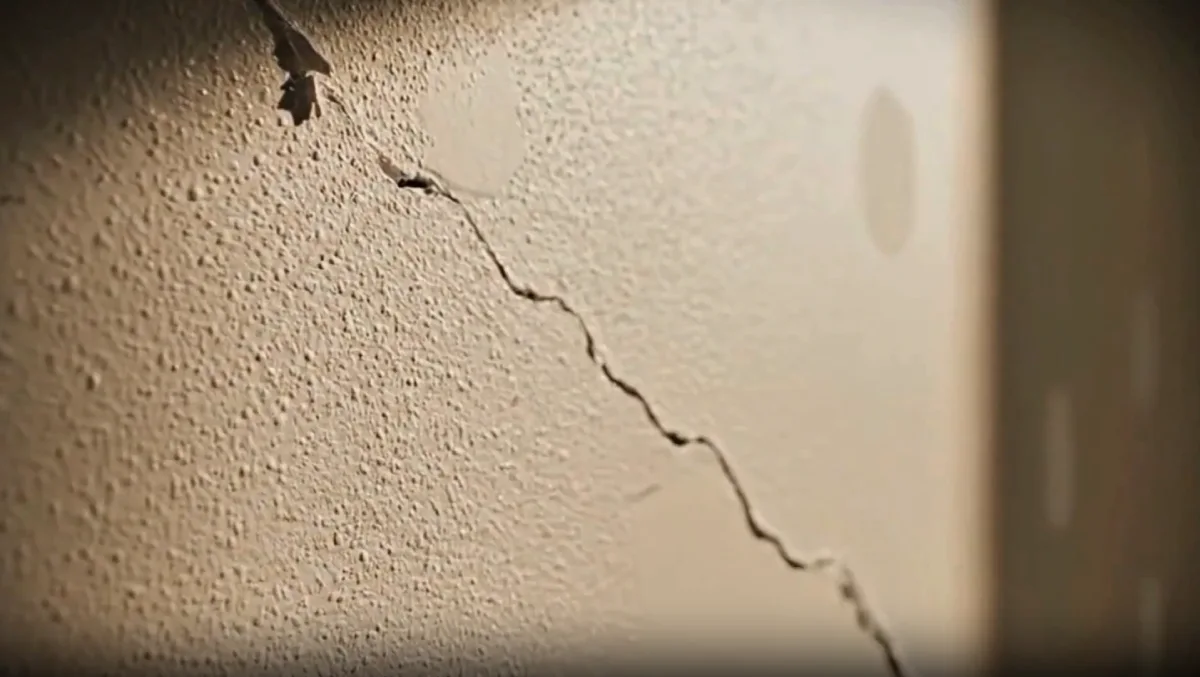
If you’ve spotted a crack in your foundation, your first instinct is probably panic. Take a breath not every crack is a sign of serious structural failure. But some absolutely are, and knowing the difference could save you tens of thousands of dollars or protect your family’s safety.
This guide walks you through exactly what to look for, what different cracks mean, and when it’s time to stop Googling and call a professional.
Why Do Foundations Crack in the First Place?
In Dallas-Fort Worth, foundation cracking is more common than almost anywhere else in the country. The reason comes down to one word: soil.
The DFW area sits on Blackland Prairie some of the most expansive clay soil in North America, according to Texas A&M AgriLife Extension. This clay swells dramatically when it gets wet and shrinks hard when it dries out. During a Texas drought, soil under your home can pull away from the foundation entirely, causing sections to drop, shift, or crack.
Other common causes include:
- Poor drainage — water pooling near the foundation saturates the soil unevenly
- Tree roots — large roots draw moisture out of the soil directly beneath your slab
- Plumbing leaks — a slow slab leak erodes the soil underneath your home silently
- Natural settlement — all homes settle over time; some cracking is normal
- Poor original construction — inadequate steel reinforcement or rushed concrete pours
The 5 Types of Foundation Cracks (And What Each One Means)
1. Hairline Cracks
Width: Less than 1/16 inch Direction: Usually vertical or slightly diagonal Danger level: Low
These are the most common foundation cracks and usually the least serious. They often appear within the first few years of a home’s life as concrete cures and the structure settles. If a hairline crack is not growing, not leaking water, and not accompanied by other symptoms (sticking doors, uneven floors), it’s typically cosmetic.
What to do: Monitor it. Take a photo with a coin for scale and check it again in 6 months. If it hasn’t grown, you’re fine.
2. Vertical Cracks
Width: Up to 1/4 inch Direction: Straight up and down Danger level: Low to Medium
Vertical cracks usually indicate normal settling or concrete shrinkage. However, if the crack is wider at the top than the bottom — or vice versa — it signals uneven settlement, which can get worse over time.
What to do: If the crack is uniform in width and dry, monitor it. If it’s wider on one end or showing water intrusion, call a foundation professional for an evaluation.
3. Horizontal Cracks
Width: Any width Direction: Running side to side across the wall Danger level: HIGH Act Immediately
Horizontal cracks are one of the most serious warning signs in any foundation. They indicate that lateral soil pressure the ground pushing against your foundation wall is becoming too great. This type of crack often means your wall is beginning to bow inward.
Left unaddressed, horizontal cracks can lead to complete wall failure.
What to do: Stop waiting. Call a foundation repair specialist today.
4. Diagonal / Stair-Step Cracks
Width: 1/4 inch or more Direction: Diagonal, often following mortar joints in a stair step pattern Danger level: Medium to High
Diagonal cracks usually mean differential settlement one section of your foundation is sinking faster than another. This puts the structure under shear stress. In DFW homes, this is often caused by soil shrinkage under one corner or side of the slab.
What to do: A crack under 1/8 inch that isn’t growing may just need monitoring. Anything wider, or paired with visible sloping floors, sticking doors, or wall gaps, needs professional assessment.
5. Wide Structural Cracks
Width: Greater than 1/4 inch Direction: Any Danger level: CRITICAL
Cracks wider than a quarter-inch — roughly the width of a pencil — are considered structural until proven otherwise. At this width, the concrete’s integrity is compromised and the crack is likely actively growing.
What to do: Do not ignore this. Schedule an inspection immediately.
Warning Signs That Go Beyond the Crack Itself
A foundation crack doesn’t exist in isolation. Look for these accompanying symptoms that tell you the problem is serious:
- Doors that stick or won’t close properly especially interior doors, which are more sensitive to foundation movement
- Windows that jam or separate from their frames
- Floors that slope, bounce, or feel uneven
- Gaps between walls and the ceiling or floor
- Drywall cracks above door frames (the classic 45-degree crack)
- Bricks separating on your exterior
- Water intrusion through the crack moisture means the crack goes all the way through
If you’re seeing three or more of these symptoms together, your foundation needs professional attention now.
The Simple Rule to Remember
| Crack Type | Width | Growing? | Action |
|---|---|---|---|
| Hairline, vertical | < 1/16″ | No | Monitor every 6 months |
| Vertical | Up to 1/4″ | No | Monitor, check for moisture |
| Diagonal | Up to 1/8″ | No | Monitor closely |
| Diagonal | > 1/8″ | Yes | Get an inspection |
| Horizontal | Any | Any | Call immediately |
| Any crack | > 1/4″ | Any | Call immediately |
Can I Fix Foundation Cracks Myself?
For true hairline cracks, a polyurethane or epoxy injection kit from a hardware store can seal out moisture. This is a cosmetic fix it won’t stop movement if your foundation is actively settling.
For anything else, DIY repairs are not recommended. Masking a crack without addressing the underlying cause (soil movement, drainage, settling) only hides the problem until it becomes catastrophically expensive.
What Happens During a Foundation Inspection?
A professional foundation inspection in DFW typically involves:
- Visual inspection of the interior and exterior of the foundation
- Floor elevation measurement using a Zip Level or manometer to detect slopes
- Soil and drainage assessment around the perimeter
- Hydrostatic plumbing pressure test if a slab leak is suspected
- Written report with repair recommendations and cost estimate
At Top Level Foundation, our inspections are 100% free with no obligation. We give you an honest assessment even if that assessment is “you’re fine, just monitor it.”
What About Homeowner’s Insurance?
Most homeowners are surprised to learn that standard Texas homeowner’s insurance policies do not cover foundation damage caused by soil movement or settling, according to the Texas Department of Insurance. Exceptions apply only to sudden covered events like a burst pipe. Review your policy’s exclusions and contact your insurer directly for specifics.
When to Call Top Level Foundation
Call us if you’re seeing:
- Any horizontal crack
- Any crack wider than 1/4 inch
- Cracks that are growing or appeared suddenly
- Cracks combined with sticking doors, sloping floors, or wall gaps
- Water coming through your foundation
We serve Frisco, Dallas, Fort Worth, Plano, McKinney, Allen, Garland, and all surrounding DFW communities.
 Call (888) 886-6324 or Schedule your free inspection online.